
Africa Global Initiative
2025 Annual Report & Fall Newsletter
The African Global Initiative (AGI) at Northeastern University celebrated a transformative year in 2025, marked by exceptional research, educational innovation, and cultural celebration. This report highlights the achievements of African students, faculty, and partners who advanced global health, pioneered cancer therapies, shaped international policy, and fostered community across disciplines. With over 150 students participating in cultural events, groundbreaking research published in leading journals, and new partnerships established across West Africa, AGI continues to showcase African excellence while preparing the next generation of global leaders.
MESSAGE FROM THE CHAIR
As we reflect on 2025, I am filled with pride at the remarkable achievements of our African students, faculty, and partners at Northeastern University. This year, the African Global Initiative has advanced our mission to showcase African excellence, foster meaningful research collaborations, and create inclusive spaces where talent thrives.
Our students have distinguished themselves across disciplines, from Stephen Adepoju’s pioneering cancer drug delivery research to Germain Mucyo’s community leadership and from Lydia Addo’s innovation hackathon in Ghana to Lawrence Ajayi’s sustainable resource recovery work. Our faculty, including Dr. Nsole Biteghe’s groundbreaking cancer immunotherapy research and Professor Richard Wamai’s global health equity studies, continue to produce scholarship with real-world impact.
Beyond research and academics, we celebrated culture and community. AGSA’s Africa Union Day brought together over 150 students, while NASO’s Africa Night showcased the vibrant diversity of African heritage. These gatherings remind us that excellence encompasses not just academic achievement but the connections, traditions, and shared experiences that sustain us.
The Africa Global Study Expo took Northeastern directly to prospective students in Lagos, Accra, Kumasi, and Nairobi, demonstrating our commitment to expanding access and building partnerships across the continent. With 1,200 prospective students engaged and new collaborations established, we are investing in the future of African leadership.
As we enter 2026, AGI remains committed to advancing African scholarship, fostering innovation, and creating opportunities for the next generation of global changemakers. Thank you to everyone who contributed to this extraordinary year.
In partnership and with gratitude,
Jared Auclair, PhD
Dean, College of Professional Studies
Chair, African Global Initiative
AGI AT A GLANCE: 2025
1,200+
prospective students engaged at Africa Study Expo
150+
attendees at Africa Union Day celebration
4
countries visited during Africa Study Expo (Nigeria, Ghana, Kenya)
98
low-cost ventilators deployed to West African rural clinics
Africal Global Study Expo ‘25
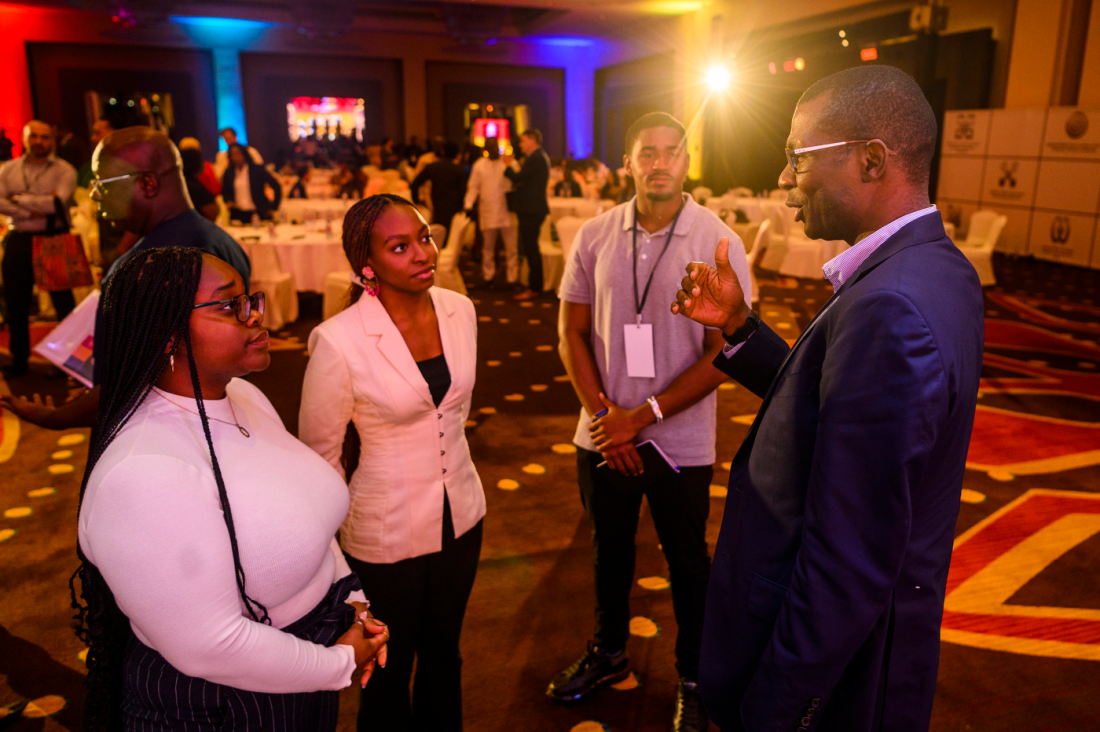
The Global Study Expo—Africa connected with more than 1,200 prospective students across Lagos, Accra, Kumasi, and Nairobi—expanding Northeastern’s global reach.
In October 2025, Northeastern University took its mission of global engagement to Africa through the Global Study Expo—Africa, a week-long series of in-person events designed to connect prospective students with the university’s academic programs, research opportunities, and global learning pathways.
The journey began on October 11 in Lagos, Nigeria, where university representatives welcomed eager students at the Lagos Marriott Ikeja. The Expo continued to Accra, Ghana, on October 12, followed by Kumasi on October 14, and concluded in Nairobi, Kenya, on October 18. Across these four cities, the Expo attracted approximately 1,200 prospective students, all eager to explore Northeastern’s experiential learning model, scholarship opportunities, and global campus network.
A dedicated team of 15 Northeastern staff members, including admission officers, faculty representatives, and program coordinators—traveled with the Expo to guide attendees through one-on-one consultations, application workshops, and program-specific sessions. Participants had the chance to ask questions, learn about research collaborations, and envision pathways to becoming part of Northeastern’s international community.
The Africa Expo not only highlighted the university’s commitment to providing accessible, high-quality education across continents but also reinforced Northeastern’s growing partnerships and engagement in Africa. By bringing the university directly to prospective students, the Expo created meaningful connections that will inspire future scholars and strengthen Northeastern’s presence on the continent.
Research
Transforming Waste into Opportunity: Rare Earth Recovery in West Africa
Innovation, leadership, and academic excellence converge in a groundbreaking project at Northeastern University focused on sustainable resource recovery. Leveraging advanced chemical engineering research, the team explored the extraction of rare earth elements from coal mine tailings, transforming previously under-utilized waste into valuable resources with global relevance.
This pioneering work, led within Northeastern’s rigorous research environment, demonstrates how targeted scientific inquiry can address environmental and technological challenges. The study examined microwave-assisted alkali treatment techniques to improve the recovery of light and heavy REEs, combining environmental responsibility with cutting-edge engineering methods.
Lawrence Ajayi, a doctoral researcher, contributed significantly to this effort, blending technical expertise with innovative thinking. Beyond the lab, his involvement in initiatives that connect African graduate students and foster community reflects the broader impact of research excellence: applying knowledge to solve real-world problems while cultivating leadership and collaboration.
By advancing sustainable technologies and demonstrating the potential of African scholars in global research, this project exemplifies the mission of the African Global Initiative, showcasing African talent, resilience, and the transformative power of innovation.
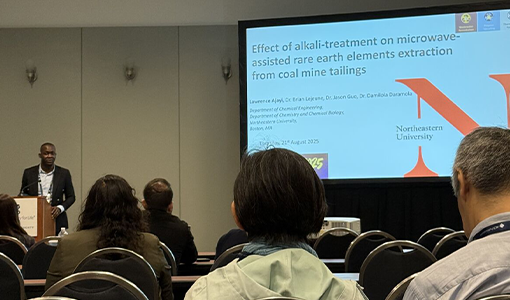
Lawrence Ajayi presented research on improving recovery of rare earth elements while mining.
Beyond the lab, Ajayi’s involvement in initiatives that connect African graduate students and foster community reflects the broader impact of research excellence: applying knowledge to solve real-world problems while cultivating leadership and collaboration.
Shaping Global Policy: Northeastern at ACUNS Annual Meeting
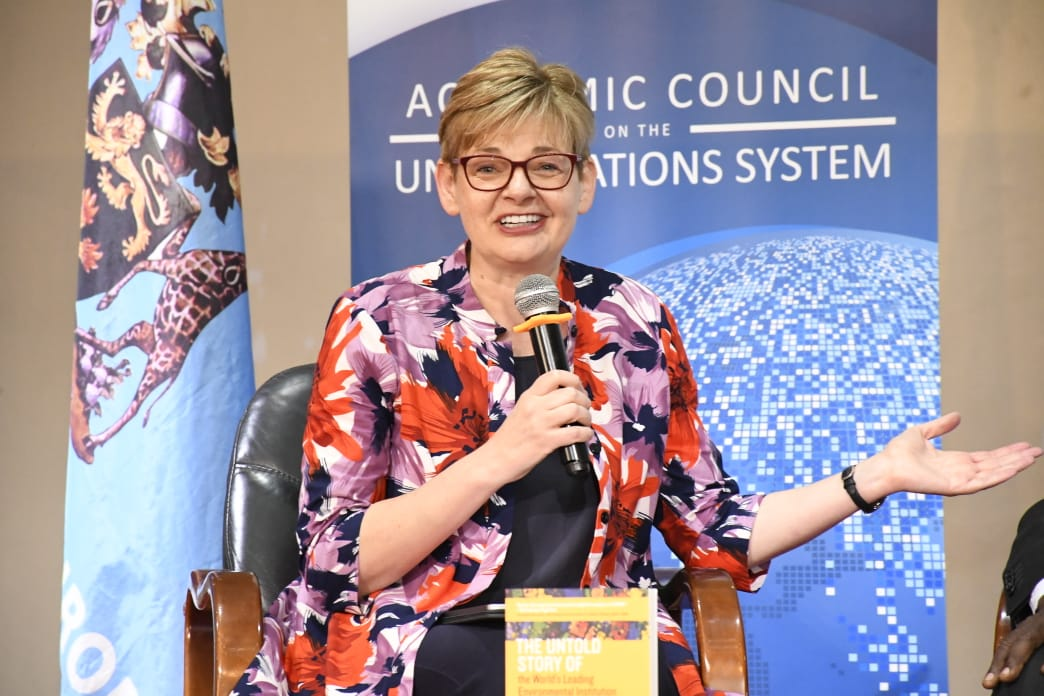
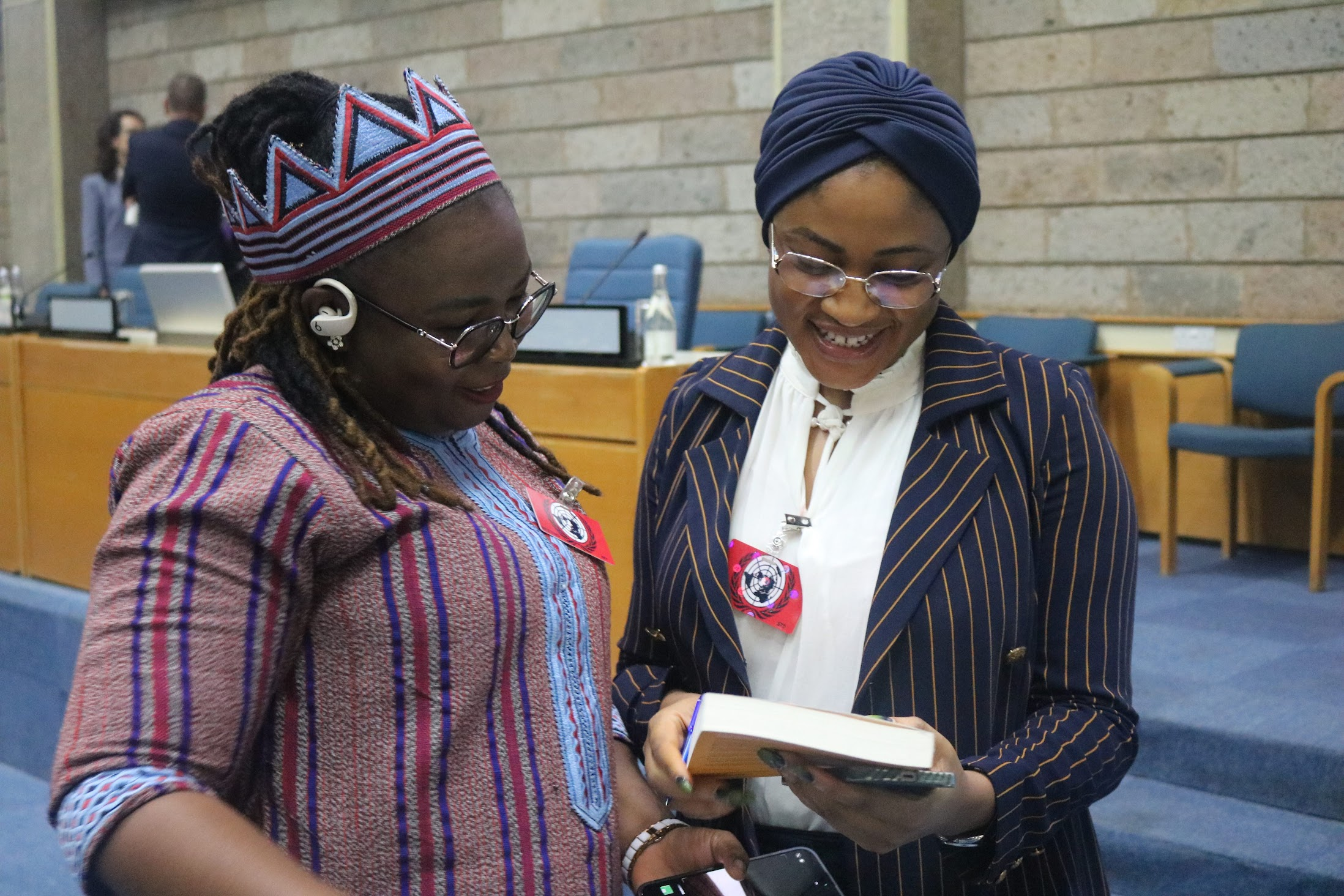
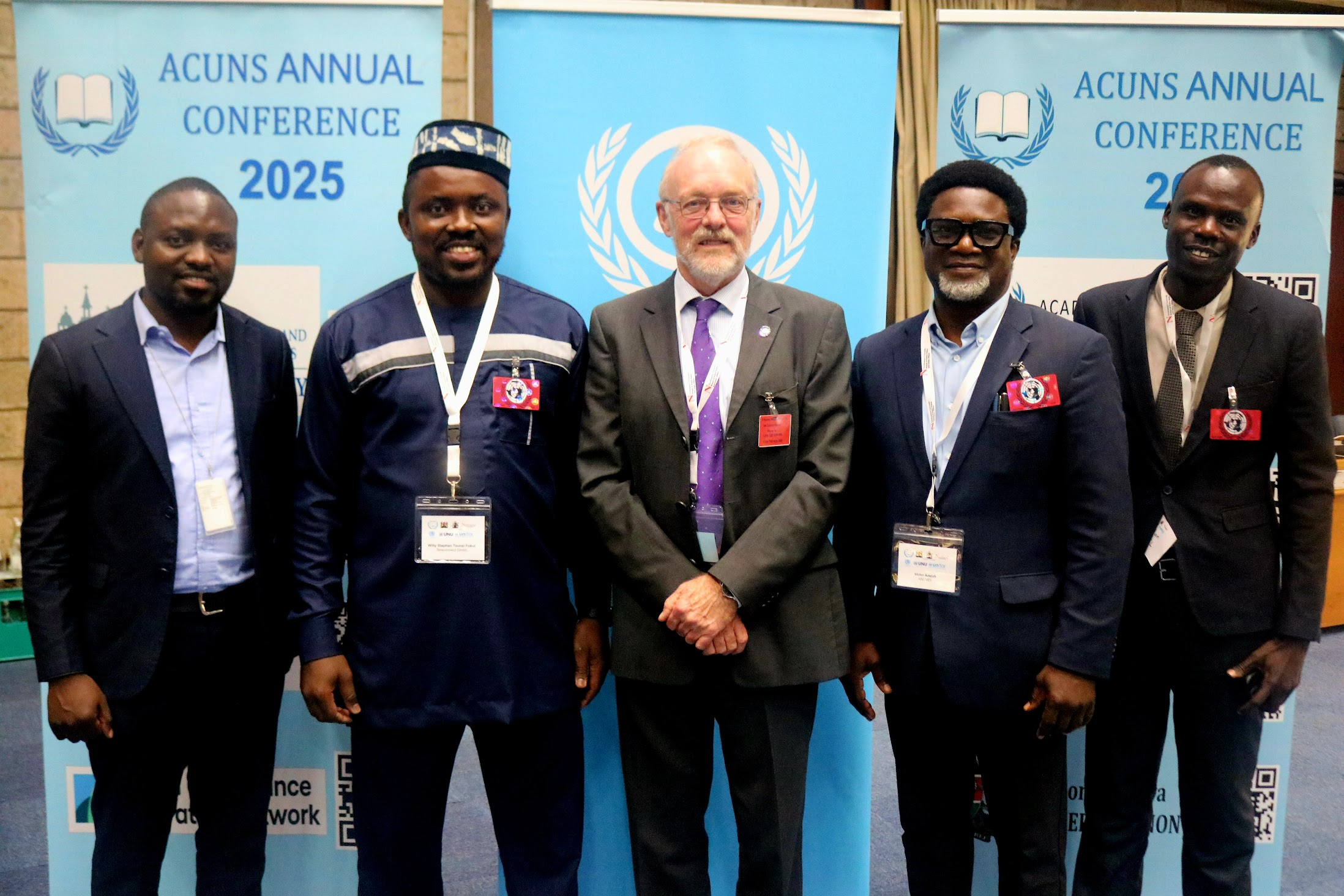
Northeastern University played a leading role in the Annual Meeting of the Academic Council on the United Nations System, co-hosted in Nairobi, Kenya, in partnership with the University of Nairobi. Held at the only United Nations headquarters in the Global South, the conference brought together scholars, practitioners, and students to explore “Environmental Multilateralism and Human Development,” tackling urgent global challenges such as climate change, biodiversity loss, and inclusive governance.
Under the leadership of Policy School Director, Maria Ivanova, Northeastern co-chaired the event and shaped a dynamic agenda integrating research, policy, and actionable solutions. A highlight was the inaugural Youth Track, a virtual program led by PhD student Olga Skaredina in collaboration with Professor Roni Kay O’Dell, providing early-career scholars and youth practitioners a platform to share research, field insights, and innovative ideas, fostering intergenerational dialogue on global governance.
The conference strengthened international partnerships, promoted cross-regional knowledge exchange, and showcased Northeastern’s commitment to advancing policy scholarship, nurturing future leaders, and addressing critical environmental and development challenges worldwide.

Promoting Global Health Equity: Adolescent Mothers in Western Kenya
Groundbreaking research by Northeastern University sheds light on the complex challenges faced by adolescent mothers in sub-Saharan Africa. In July 2025, Dr. Richard Wamai of the Department of Cultures, Societies, and Global Studies released “Teenage Mothers Report Poor Health and Economic Functioning in Western Kenya,” conducted through the Integrated Initiative for Global Health.
The research draws on extensive field data to reveal how teenage motherhood often perpetuates cycles of poverty, limits access to healthcare, and reduces educational opportunities. Collaborating closely with community health organizations and academic partners in Kenya, Professor Wamai and his team identified evidence-based interventions aimed at improving outcomes for mothers and their children.
Beyond its regional impact, the study provides insights into structural health inequities in developing countries and underscores the importance of policies promoting inclusive education, reproductive health access, and sustainable livelihoods.
By combining rigorous research with community engagement, Professor Wamai’s work exemplifies Northeastern University’s dedication to global equity, social justice, and resilient public health systems.
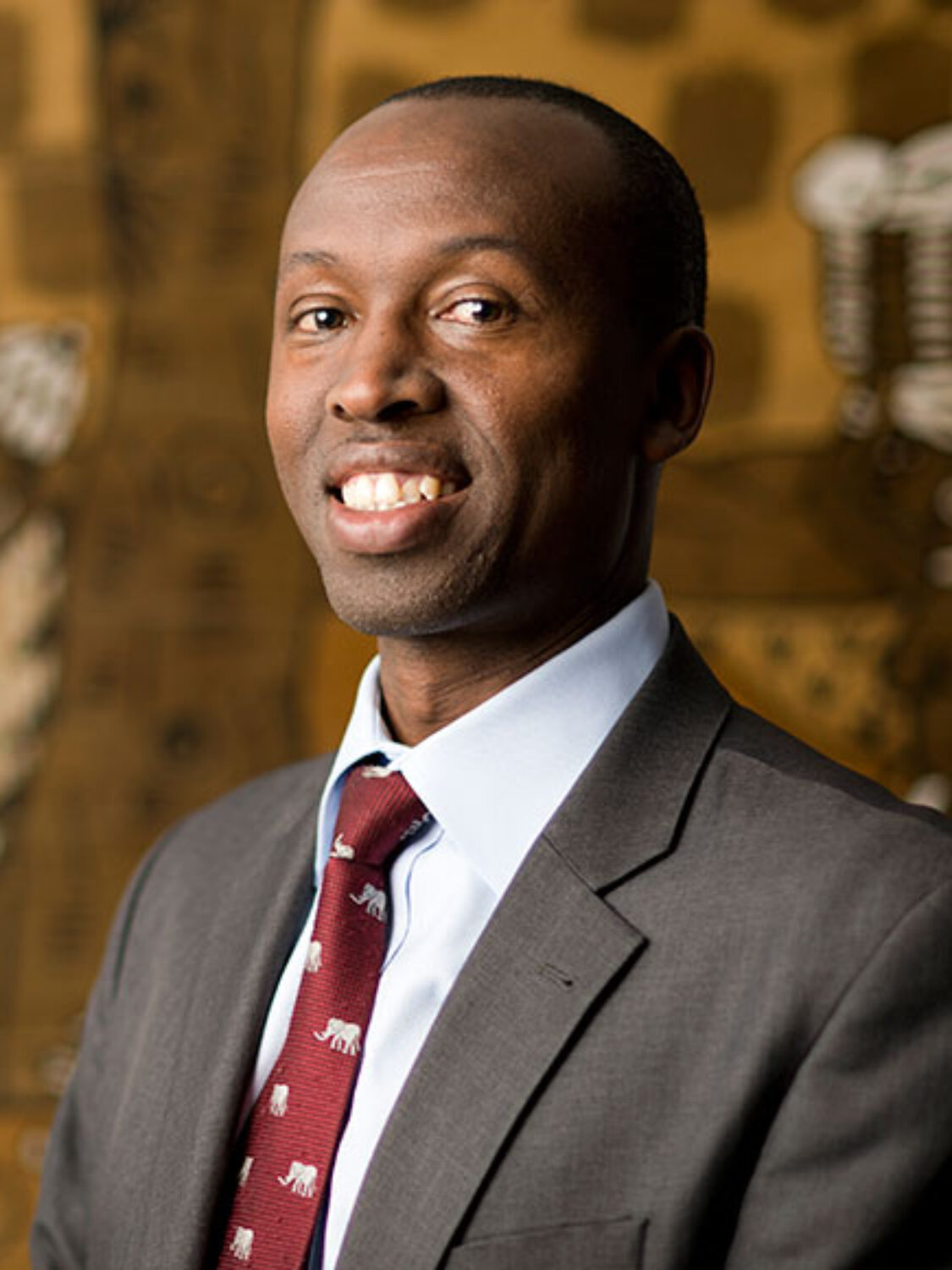
Dr. Richard Wamai, professor of cultures, societies, and global studies.
Precision Cancer Therapy: Targeted Innovation at Northeastern
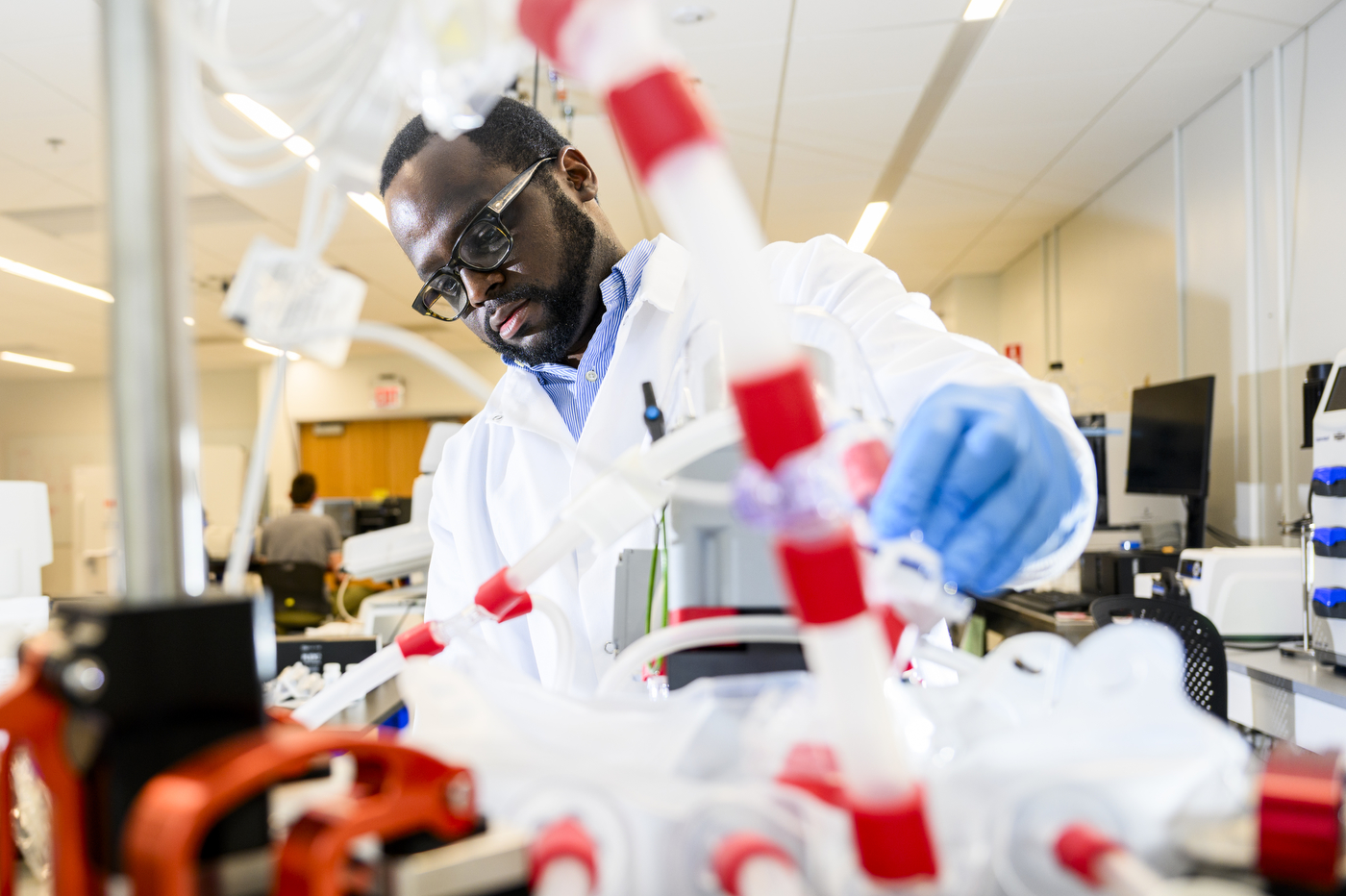
Cutting-edge research in targeted cancer immunotherapy opens new possibilities for safer and more effective treatments. At Northeastern University, Dr. Fleury Augustin Nsole Biteghe, Lecturer in Biotechnology, Chemistry, and Chemical Biology, leads innovative work developing antibody-drug conjugates (ADCs) and antibody photoimmunoconjugates (APCs). These therapies deliver cytotoxic drugs or light-sensitive molecules directly to tumors overexpressing key biomarkers such as EGFR, CD44, and melanotransferrin.
A cornerstone of Dr. Biteghe’s research is the SNAP-tag system, a human-derived protein that ensures highly specific and homogeneous conjugation, enhancing precision, efficiency, and scalability while minimizing immune reactions. By combining this with single-chain fragment variables (scFvs) and light-activated therapies, his approach improves tumor penetration, reduces off-target toxicity, and advances the safety and effectiveness of cancer treatment.
Recent studies highlight the potential of these strategies for aggressive cancers, including melanoma and triple-negative breast cancer, particularly addressing disparities affecting women of African descent. Dr. Biteghe’s work exemplifies Northeastern University’s commitment to scientific advancement, innovation, and translational research with global impact.

Dr. John Olawepo, associate professor, public health and health sciences
This work exemplifies African-led research achievement, demonstrating how rigorous, collaborative scholarship can inform real-world solutions and contribute to sustainable progress in health and governance.
Bridging Research and Policy: African Scholarship in Action
Innovation, collaboration, and practical impact define AGI’s commitment to advancing African scholarship. In 2025, Dr. John Olawepo and his team, in collaboration with colleagues from Nigeria and the National Institutes of Health, published groundbreaking research that bridges the gap between research and policy in Nigeria.
Titled “Closing the Gap Between Implementation Science and Policy in Nigeria: Lessons from the Nigeria Implementation Science Alliance Using a Nominal Group Technique,” the research engaged diverse stakeholders—including policymakers, practitioners, and researchers. It identifies key barriers to translating research into policy and offers actionable strategies to enhance collaboration, strengthen implementation, and achieve measurable impact.
This work exemplifies African-led research achievement, demonstrating how rigorous, collaborative scholarship can inform real-world solutions and contribute to sustainable progress in health and governance. It reinforces AGI’s vision of fostering research that drives innovation, leadership, and meaningful change across Africa and the diaspora.
This work exemplifies African-led research achievement, demonstrating how rigorous, collaborative scholarship can inform real-world solutions and contribute to sustainable progress in health and governance.
Dr. John Olawepo, associate professor, public health and health sciences
Advancing Cancer Drug Delivery: Stephen Adepoju
A fourth-year PhD candidate in chemical engineering at Northeastern University, Stephen Adepoju advances innovative drug delivery systems using liposomes to deliver anti-cancer drugs to tumor cells. His research focuses on designing lipid bilayer mixtures to form liposomes that are softer, as these liposomes demonstrate greater cellular uptake both in vivo and in vitro, allowing efficient and precise transport of therapeutic agents to tumor cells or sites. By developing computational models of lipid bilayer mixtures, Adepoju’s work seeks to improve the safety and effectiveness of cancer therapies, addressing one of the most pressing challenges in modern medicine. His commitment to this field is deeply personal, inspired by the loss of his grandfather to blood cancer in 2020, which motivated him to pursue research with direct clinical impact. Beyond groundbreaking research, Adepoju exemplifies leadership and community engagement. As former president of the African Graduate Students Association (AGSA), he successfully applied principles from Northeastern’s PhD Leaders’ Program to foster high-functioning teams and organize the largest gathering of African graduate students in Boston in 2025. This achievement underscores his ability to merge research prowess with leadership and mentorship, creating broader impact within and beyond the academic community. Stephen currently serves as founder and president of the PhD 2 Consulting club, aimed at ensuring that PhDs and postdocs receive adequate resources and platforms for pursuing careers in consulting. Through his work and leadership, Stephen Adepoju embodies Northeastern University’s mission of translational research, innovation in cancer therapy, and preparing the next generation of global leaders in engineering and health sciences.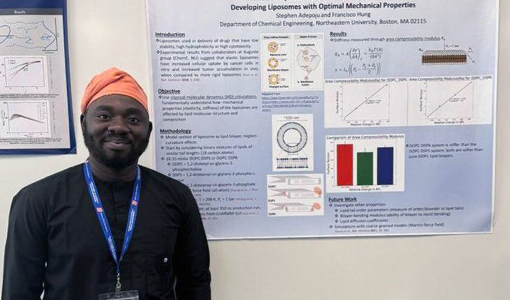
Stephan Adepoju, Northeastern PhD candidate, presented new research on improving safety and effectiveness in cancer therapy.
Awards and Honors:
- Young Innovation Leaders Fellow
- Nestlé Excellence Award
- AIChE Travel Award
- Chemical Engineering Travel Award
- Veralto Scholarship through NSBE (National Society of Black Engineers)
- SMDP (Scientist Mentoring and Development Program) Scholar
- NPG (Nigerian Professional Group) Scholar
- Multiple summer school participations in machine learning and innovation leadership
Exploring Women’s Role in Democracy:
Research Insights from Senegal, West Africa
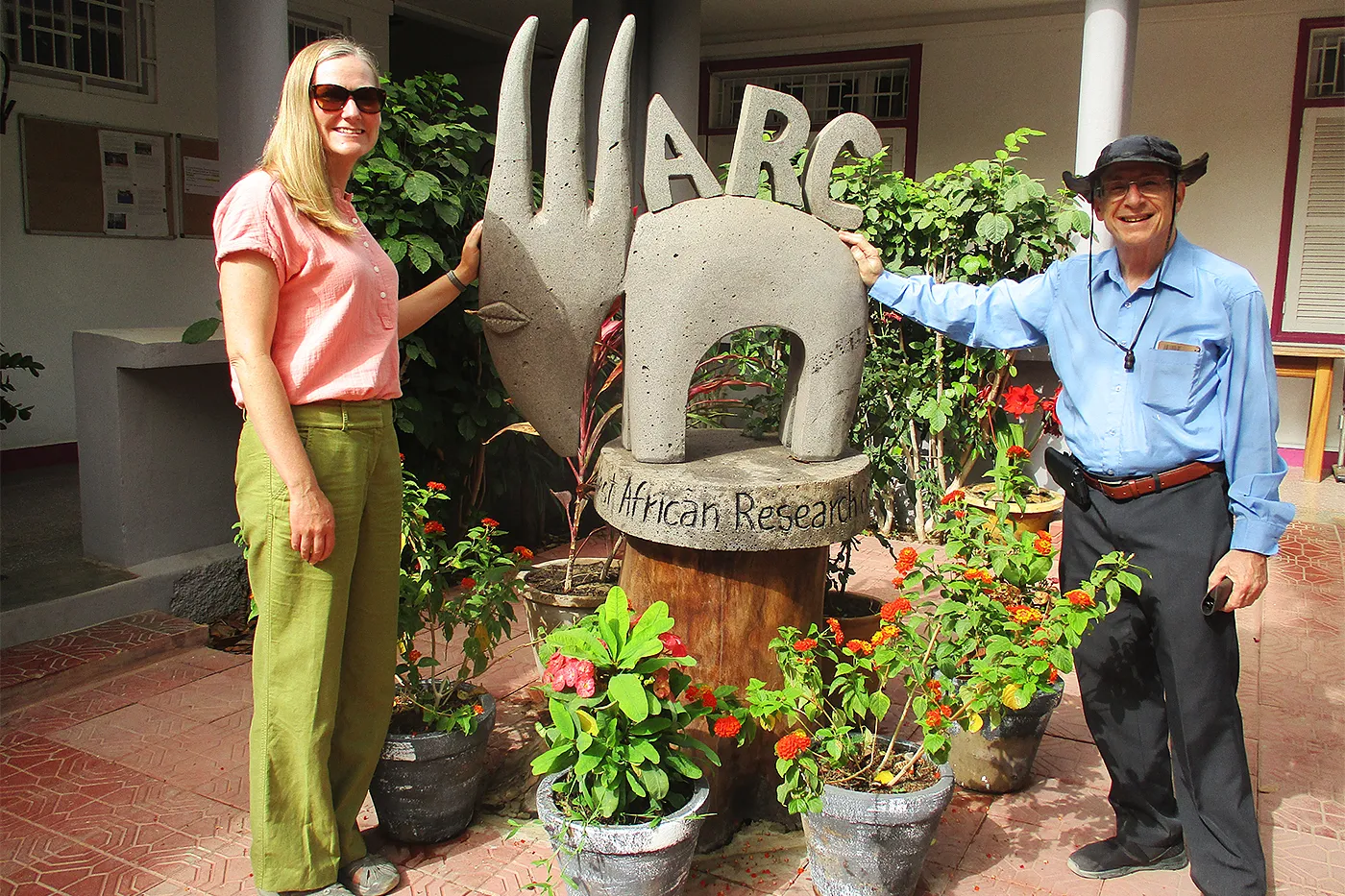
Political science professors William Miles and Martha Johnson from Northeastern University embarked on collaborative research in Senegal to explore how women’s organizations contribute to sustaining democratic governance. Sponsored by the College of Social Sciences and Humanities, this initiative underscores Northeastern’s commitment to global, cross-campus research partnerships.
The study, conducted in collaboration with the West African Research Center in Dakar, examined Senegal’s reputation as a model of democratic stability amid regional challenges. Through interviews with academics, NGO leaders, and former political figures, including a former prime minister and vice president of the National Assembly, the researchers found that women’s movements remain instrumental in promoting civic participation and advancing “ground-up democracy.”
Their findings reveal that women’s organizations in Senegal are at the forefront of promoting inclusive governance, economic empowerment, and community-level political engagement. The research team plans to publish their findings in forthcoming academic outlets, contributing to global discourse on gender, governance, and democracy in Africa.
Education
Turning Ideas into Impact: Supporting Innovation-Driven Students in Ghana
Northeastern MBA student Lydia Adobea Dampare Addo, recipient of the Srinivasan Family Award, organized the Ideas to Industry Hackathon (I2I) at Ashesi University in Accra, Ghana, providing a dynamic platform for students to transform creative ideas into real-world solutions.
The hackathon brought together 19 student teams, seven of which advanced to the finals. Participants tackled pressing challenges across education, healthcare, and agriculture. Standout projects included:
- LanSpeech: A platform expanding access to speech therapy
- Code Endelea: An AI-driven tutoring solution
- Precision Agriculture: Designed to optimize farming practices
Winning teams received ongoing mentorship and guidance from Northeastern faculty and Ghanaian industry leaders to bring their innovations closer to implementation.
This initiative exemplifies Northeastern’s commitment to experiential learning and global collaboration, empowering students to apply their knowledge in ways that directly benefit communities locally and internationally. Through efforts like I2I, students gain hands-on experience in entrepreneurship, teamwork, and cross-institutional collaboration while creating ventures with potential for lasting social impact.
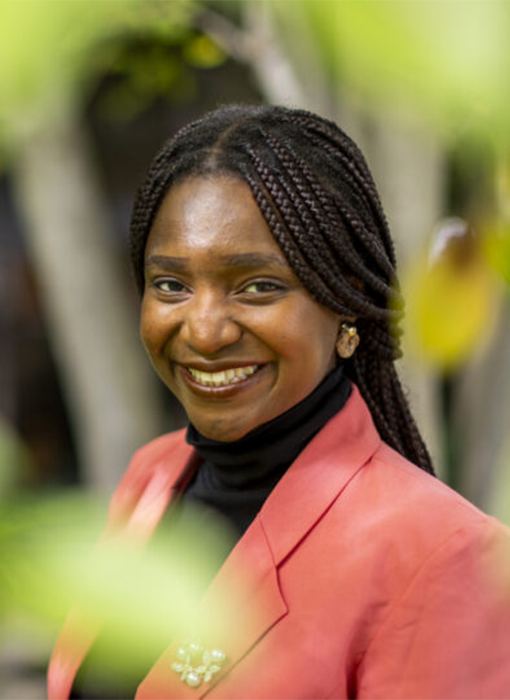
Lydia Adobea Dampare Addo organized a hackathon in Ghana focused on challenges from education to healthcare to agriculture.
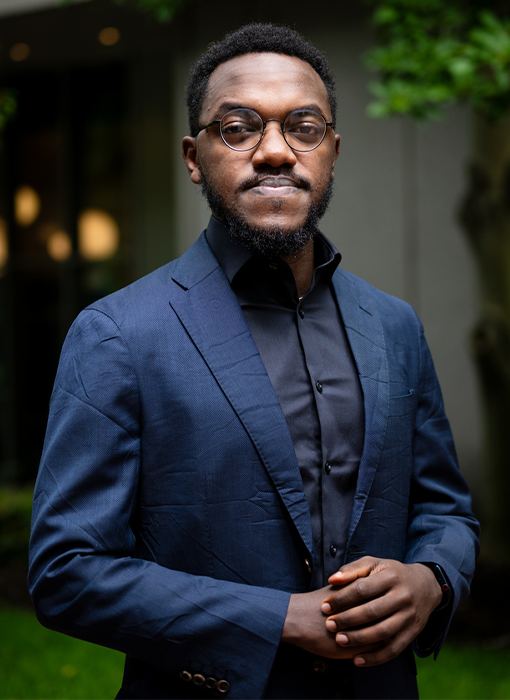
Graduate student, Germain Mucyo, empowers immigrant-led communities and organizations through engineering and mentorship.
Building Leadership and Community: Germain Mucyo
Distinguished achievement in engineering and community engagement come together in the work of Northeastern graduate student Germain Mucyo, pursuing a degree in Electrical and Computer Engineering. His studies in networks and cybersecurity are complemented by hands-on projects, mentorship, and service, demonstrating how technical expertise can drive meaningful social impact.
Hailing from Kigali, Rwanda, Mucyo’s early initiatives included designing an irrigation system for local farmers and leading student organizations such as Toastmasters. These formative experiences instilled a commitment to applying engineering skills for the benefit of communities, not just innovation.
Currently active in Maine and Boston, Mucyo volunteers with Maine Initiatives, supports audience development and technology for Amjambo Africa! newspaper, and evaluates grants for immigrant-led organizations. Through these efforts, he fosters belonging, empowers communities, and exemplifies Northeastern’s commitment to experiential learning, civic engagement, and preparing students for global citizenship.
Celebrating African Excellence: Adetutu “Tutu” Akinleye, Faces of CPS
Achievement in leadership, innovation, and service defines the Faces of CPS at Northeastern University, highlighting students whose impact resonates across campus and community. Among these exemplary students is Adetutu “Tutu” Akinleye, whose dedication to academic distinction and professional engagement embodies the highest standards of performance.
Tutu’s journey reflects resilience, purpose-driven leadership, and commitment to empowering others. As Project Management Intern for the African Global Initiative (AGI), she leads programs that foster collaboration, elevate African student voices, and create meaningful opportunities for growth and engagement. Through her contributions to event planning, project management, and student support initiatives, she ensures AGI’s programs run seamlessly and deliver lasting impact.
Her recognition as a Face of CPS highlights not only her personal accomplishments but also her broader influence on the African student community. By combining innovation, leadership, and service, Tutu inspires peers, advances African achievement, and exemplifies how students can translate education into meaningful change.
Tutu’s story reflects Northeastern’s mission to cultivate globally minded leaders who drive engagement, distinction, and impact. It serves as a model for students aspiring to make a difference through leadership, creativity, and cultural contribution.
Tutu’s journey reflects resilience, purpose-driven leadership, and commitment to empowering others.

Adetutu “Tutu” Akinleye, Project Management Intern for the African Global Initiative, was highlighted as one of the Faces of College of Professional Study.
Culture
AGSA Africa Union Day
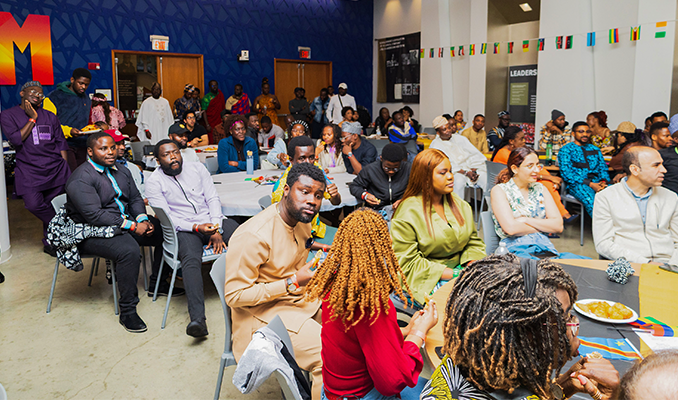
In April 2025, the African Graduate Students Association at Northeastern University hosted a vibrant Africa Union Day celebration under the theme “Connectivity, Networking, and Celebration of African Culture.” More than 150 students participated in this gathering at the John D. O’Bryant African-American Institute, including peers from WPI and UMass Amherst.
The program featured a fashion parade, musical performances, traditional dances, and cultural showcases from multiple African countries. As part of the event, Northeastern honored its graduating class of 2025 African students, strengthening the sense of belonging and academic community among African graduate students.
This event underscores Northeastern’s commitment to cultural inclusion, community building, and celebrating the diverse heritage of its students.
NASO Africa Night
On February 8, 2025, the Northeastern African Student Organization hosted its annual Africa Night with the theme “Àseyorí” (meaning “Excellence” in Yoruba). Blackman Auditorium came alive with performances, fashion showcases, body art, and Afrobeats, bringing together students of African heritage and those interested in African culture.
More than just a performance night, Africa Night also functioned as a cultural bridge: showcasing traditional garb and artistic expressions, supporting African and diaspora businesses, and including a community service component through donation drives. NASO’s leadership—including co-presidents, event coordinators, and volunteer students—emphasized creativity, distinction, and inclusivity in organizing the event.
The evening demonstrated how culture can be a powerful medium for representation, connection, and cross-cultural understanding in a diverse campus setting.

This report celebrates the achievements of African students, faculty, and partners during the 2024-2025 academic year. All content reflects activities and accomplishments through December 2025.